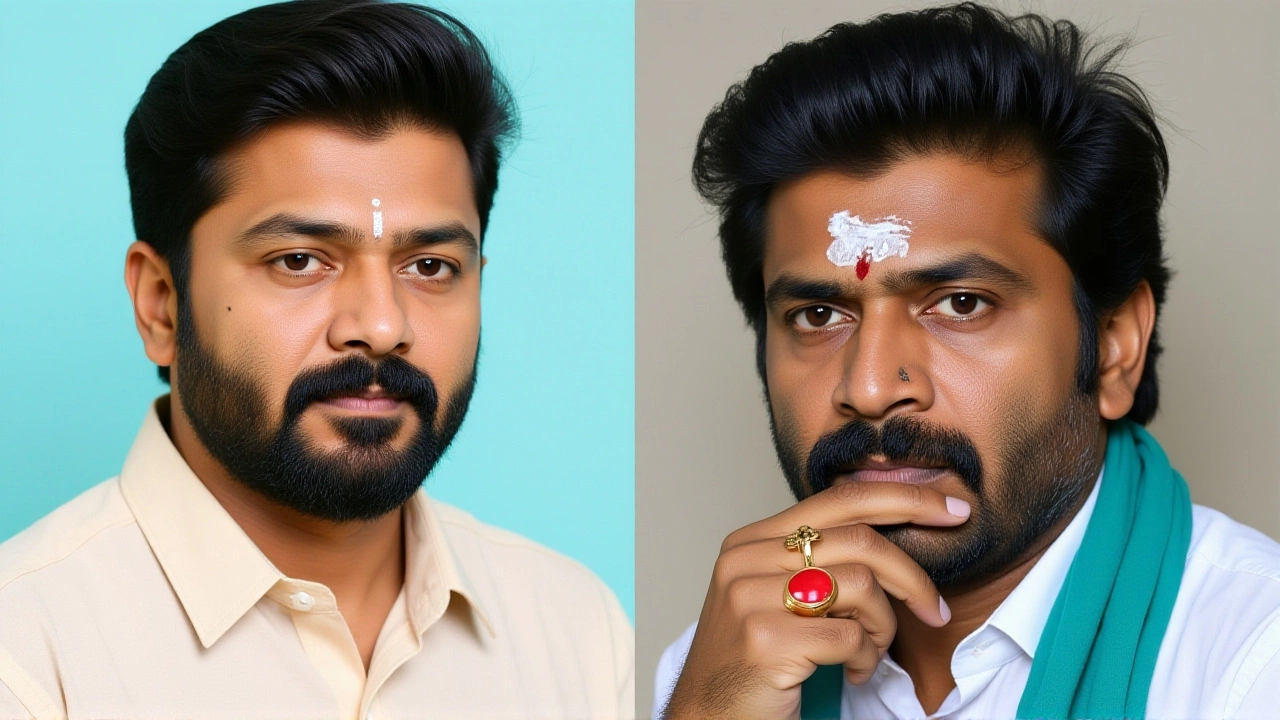
When Pawan Kalyan, Deputy Chief Minister of Andhra Pradesh, was asked about the historic election victory of his cinematic rival, he didn't offer a polished diplomatic platitude. Instead, he offered something rarer in modern politics: honest envy. Admitting that watching Thalapathy Vijay's meteoric rise to power felt like a "little bit of jealousy," Kalyan laid bare the complex emotions swirling through South India’s political elite.
The confession came amidst the aftermath of the Tamil Nadu Legislative Assembly ElectionChennai, where Vijay’s new party shattered decades of established dominance. It’s a candid moment that highlights not just personal feelings, but the shifting tectonic plates of regional politics in southern India.
A Stark Contrast in Political Journeys
Here’s the thing: the timelines couldn’t be more different. On one side, you have Pawan Kalyan, who has spent roughly 15 years grinding it out in the political arena. He founded the Jana Sena Party and fought tooth and nail for relevance, eventually securing a position as Deputy Chief Minister in Andhra Pradesh. It was a long, hard climb up the ladder.
On the other side stands Thalapathy Vijay. In just three years since launching his political career, he became the Chief Minister of Tamil Nadu. His party, the Tamilaga Vettri Kazhagam (TVK), achieved what many thought impossible: winning 108 seats in the state assembly. That’s right—108 seats in their first major electoral test. They emerged as the single largest party, effectively toppling the Dravida Munnetra Kazhagam (DMK), which had held sway for 77 years.
Kalyan’s admission of "jealousy" isn’t born out of malice. It’s the natural reaction of a veteran politician watching a newcomer sprint past him on the track. As he told reporters with a laugh, seeing Vijay’s swift success stirs up those feelings. But he quickly pivoted to context, reminding everyone of his own decade-and-a-half-long struggle. It’s a subtle way of saying, "I respect the win, but don’t forget the grind."
The Social Media Comparison Trap
But wait, there’s more to this than just two actors-turned-politicians comparing notes. The real pressure cooker is social media. Ever since both men entered high office, the internet has been obsessed with pitting them against each other. Every policy decision, every public speech, every stumble is measured against the other.
Kalyan found this exhausting. He publicly appealed to the media and the public to stop linking his critiques or performance to Vijay’s achievements. "It’s not appropriate," he stated clearly. He wants to be judged on his own merits in Andhra Pradesh, not as a foil to the man ruling next door in Tamil Nadu. It’s a reasonable request, but in the age of viral comparisons, it’s easier said than done.
Ideological Divide: Hindutva vs. Dravidianism
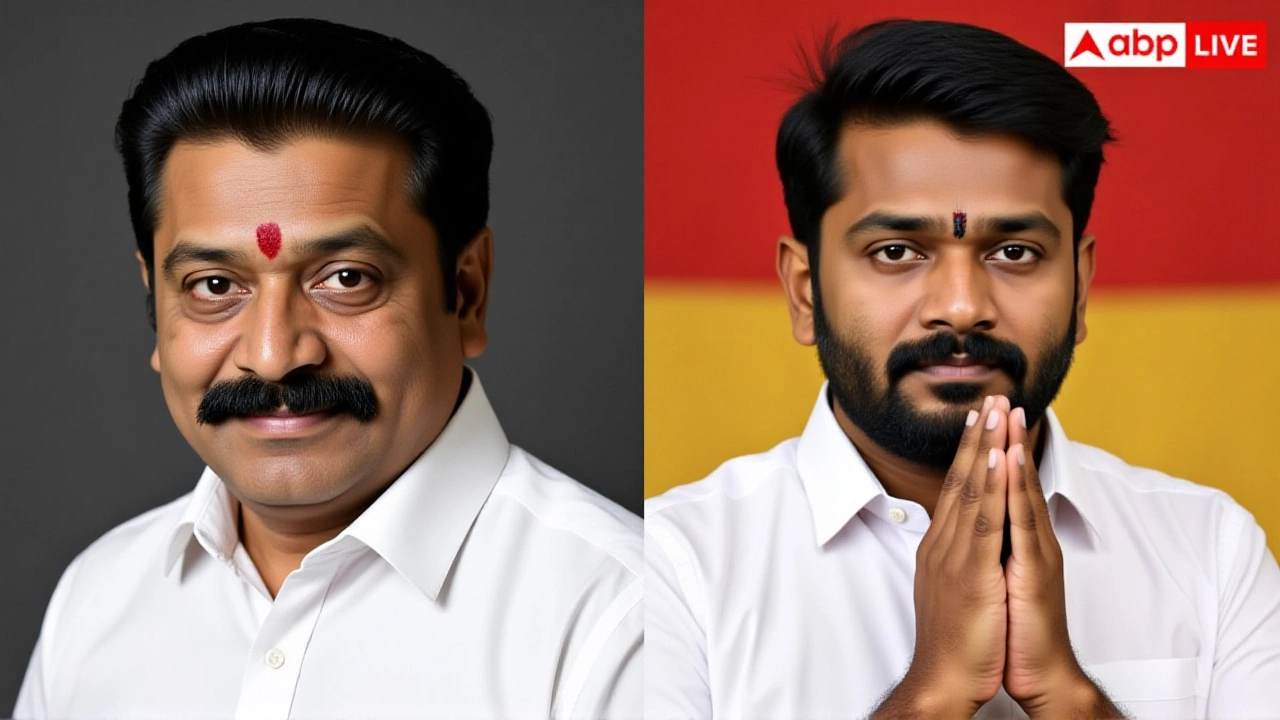
The rivalry runs deeper than just speed to power. There’s a fundamental ideological split here. Analysts point to a growing battle for influence in South India between two distinct visions. Kalyan, through Jana Sena, has increasingly aligned himself with cultural pride and Hindu identity narratives. He represents a shift toward national integration and traditional values.
Vijay, conversely, operates within the traditional Dravidian framework. His platform emphasizes social justice, regional identity, and welfare schemes rooted in local history. This creates a fascinating dynamic: two neighbors leading their states down different philosophical paths. One looks inward to cultural heritage; the other looks backward to social reform movements. It’s not just a personal feud; it’s a proxy war for the soul of South Indian politics.
What Does This Mean for the Future?
The implications are significant. With TVK now controlling the levers of power in Chennai after such a short campaign, the model of celebrity politics has been validated in a big way. Voters proved they are willing to back fresh faces if the message resonates. For Kalyan, whose party has struggled to gain similar momentum despite years of effort, the lesson is stark. Legacy matters less than narrative.
We’re likely to see more cross-border commentary in the coming months. As both leaders navigate their respective governments, the comparison will only intensify. Will Kalyan’s steady, experience-based approach yield better governance results than Vijay’s rapid ascent? Or will the popularity of the "overnight success" continue to dominate headlines? Only time will tell.
Frequently Asked Questions
Why did Pawan Kalyan admit to feeling jealous?
Kalyan admitted to feeling "a little jealousy" because of the stark contrast in their political timelines. While he spent 15 years building the Jana Sena Party and reaching deputy chief minister status, Thalapathy Vijay became Chief Minister of Tamil Nadu in just three years. It reflects the human reaction to witnessing someone else achieve rapid success in a field where one has struggled longer.
How many seats did TVK win in the Tamil Nadu election?
The Tamilaga Vettri Kazhagam (TVK) won 108 seats in the Tamil Nadu Legislative Assembly. This victory made them the single largest party in the house, allowing Thalapathy Vijay to form the government and become Chief Minister, ending the DMK's 77-year hold on power.
What is the main difference between Kalyan's and Vijay's political ideologies?
Pawan Kalyan’s Jana Sena Party leans towards cultural pride and Hindu identity narratives, aligning more closely with national integration themes. In contrast, Thalapathy Vijay’s TVK operates within the Dravidian ideology, focusing on social justice, regional autonomy, and welfare policies specific to Tamil Nadu’s historical context.
Did Pawan Kalyan ask people to stop comparing him to Vijay?
Yes, Kalyan explicitly requested that the media and public stop linking his performance and criticisms to Vijay’s successes. He argued that such comparisons are inappropriate and that he should be evaluated based on his own contributions and policies in Andhra Pradesh, independent of what happens in neighboring Tamil Nadu.